Category: Managed Futures Education
The USD Role as a Funding Currency
Over the past year, the real trade-weighted U.S. dollar (USD) index increased over 10%, fostering a slowing of global economic growth, increased volatility in financial markets and plummeting commodity prices. This serves as a reminder of the influence the USD has on global trade and asset markets. Periods of dollar appreciation, as highlighted in the graph below, are not well understood by the investing public as there have been only two major appreciation periods since the removal of the gold standard in 1971. The potential consequences from a third major USD appreciation can have a significant effect on expected asset class returns.

12 Questions to Ask Before Selecting a Commodity Trading Advisor
Here is a list that I’ve developed for Individual investors to know the answers to or ask before investing their risk capital with a Commodity Trading Advisor or Professional Money Manager. This checklist is ever evolving as new information comes to light or the dynamics change in the market place. Our hope in providing this […]
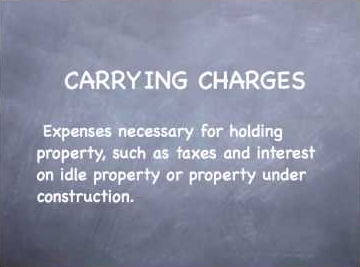
What are Carrying Charges and how do they influence hedging decisions?
In order to fully get the “error” in selling grain at harvest and then buying calls to replace that grain, so as to still participate in possible higher prices you need to understand how carrying charges work in the grain markets. The definition of “carrying charges” is: an expense or effective cost arising from unproductive […]

Advantages & Disadvantages of Call Options for Hedgers & Speculators
Buying (Long) a Call Option: A basic option strategy to be familiar with and learn the advantages and disadvantages of is buying a Call Option (Long Call). Buying a call option is the opposite of buying a put option in that buying a call gives you the right, but not the obligation, to buy the […]
Understanding Risk-to-Reward Ratios in Trading: A Key Factor for Success
When you trade the markets, you don’t know the exact probability of winning or losing on a given trade. You won’t know how much you will profit or lose. A CTA does extensive historical testing on their concepts and trading strategies to understand what to expect. They will also pull huge data samples of market […]
Protecting Yourself in a Locked Limit Market: Utilizing Synthetic Futures Positions
A futures or commodity market is a “locked limit” when trading is suspended due to prices moving the exchange-stipulated daily limit. This can happen for one day (it can even lock-limit and then trade-off), or if given a news event monumental, the market may stay “locked” for as many days as needed for market participants […]
Measuring the Edge of Entry Signals in Trading
When a CTA or Money Manager is testing or back-testing their entry signals, one of the most important aspects they look at is if the technique’s they are using have a distinct “edge” for the time frame they are trading (short-term, swing, long-term, etc.). Positive price movement is when the market goes in the direction […]
The 4 Biggest Errors in Trading a CTA Could Make
Success in trading is measured in terms of the growth of the account balance. A CTA is not expected to play God and call every twist and turn in the market correctly at all times. As a matter of fact, some professional and proven CTA’s systems are only correct 25-30% of the time and they […]

Six Keys To Trading A Commodity Trading Advisor Knows That You May Not…
Most professional CTA’s look and think about trading in a much different way than an average trader or investor would, and the reason for this is not hard to understand. If a CTA is successful what it means to me is that they have dedicated their lives to the craft. Every trader wants to be […]
The Advantages of Professional Traders in the Futures Market
I know a lot about grains. In fact, I know much more than the average person about energies, metals, currencies, softs, and financials. I would never try to trade any of them for customers for a simple reason. I know others who have done nothing for most of their careers except focus on each area. […]
Understanding the Long Put Option: Advantages, Disadvantages, and Trading Steps
Buying (Long) a Put Option:A basic options strategy to be familiar with and learn the advantages and disadvantages of is Buying a Put Option (Long Put). Buying a Put option is the opposite of buying a call option in that a Put gives you the right, but not the obligation, to sell the underlying futures contract at a specific […]
How do you use Basis to Hedge?
Cash Price – Futures Price = Basis (at a specific point in time) A producer’s decision as to when and how to market their crops or livestock can have as significant an impact on their net bottom line profit as any production decision they may make throughout the year. Farmers today have more marketing alternatives […]
Overcoming Mental Blocks to Investing: Part 2
In my previous article, we reviewed the first seven of 13 “mental blocks” to investing an average CTA or investor may butt up against throughout trading or investing. To continue from where we ended off in the previous commentary, we will cover the final six biases and blocks that may affect how a CTA tests […]