

Commodities are an effective way to hedge against inflation, but it can also be viewed as a simple way to play the global growth story. The average annual total return for the Bloomberg BCOM index (formerly the DJUBS commodity index) since 1992 has been 1.37% but if we look at returns when global growth is above 3%, the average annual return was 10.91%.
The poor performance during the post Financial Crisis was mostly during an extended period of sub-3% growth between 2012 and 2016. The poor commodity returns were also closely tied to the slowdown in China growth. The strong declines in commodity prices match the transition from 9% growth in pre-2012 to the 7% growth from 2012 to 2016. Growth matters especially for the oil and metal cyclical commodities.
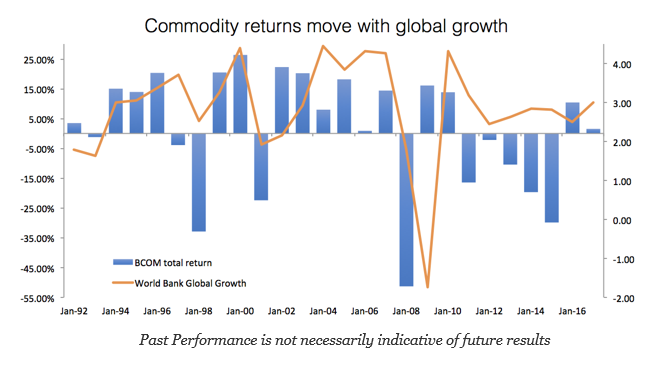
A sustained increase in global growth above 3% will provide a strong tailwind for any broad-based commodity investing and provide an alternative to over-valued equities or bonds.
Related Posts
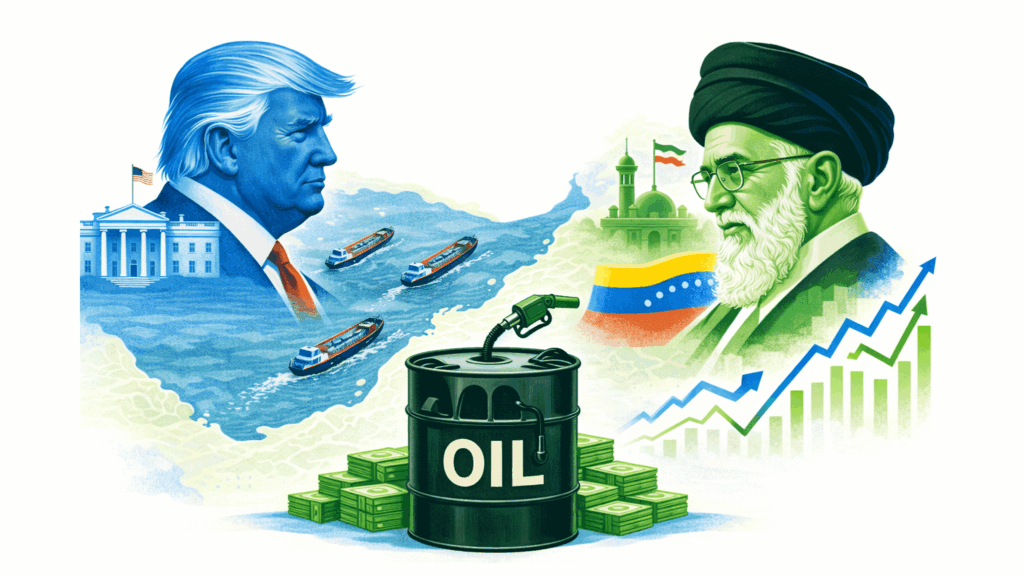
Iran, Venezuela, and the New Global Oil Order
Recent events remind us that balance in energy markets can be delicate. A conflict in the Middle East and the removal of a sitting President in Venezuela resulted in sharp moves across the energy industry in early 2026. Currently, the Iran War is creating havoc in crude shipments, affecting the world. While trouble in that […]

Race to Nowhere: Markets Pause Before the Next Big Move
Running on a treadmill is one of my least favorite activities: you expend a lot of energy but end up exactly where you started, only out of breath. So far in 2026, financial markets are behaving similarly. There’s intense activity, but the major indices have gone almost nowhere. As of mid-February, the S&P 500 is […]
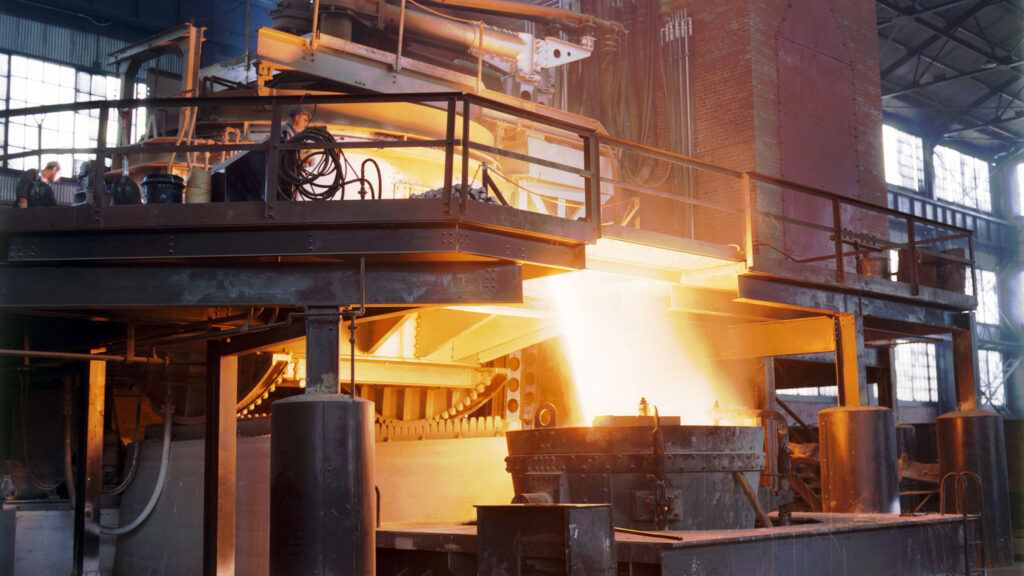
Decoding Metals Price Action
Markets often communicate more clearly through price action than through headlines. The dramatic surge in metals contracts is sending a powerful signal, but what exactly is it telling us? Traders frequently monitor inter-market relationships for early warnings. When one asset class moves unusually, it can ripple across the system or reveal deeper structural issues. In […]